

Revolutionizing Casino Gaming The Impact of Blockchain Technology

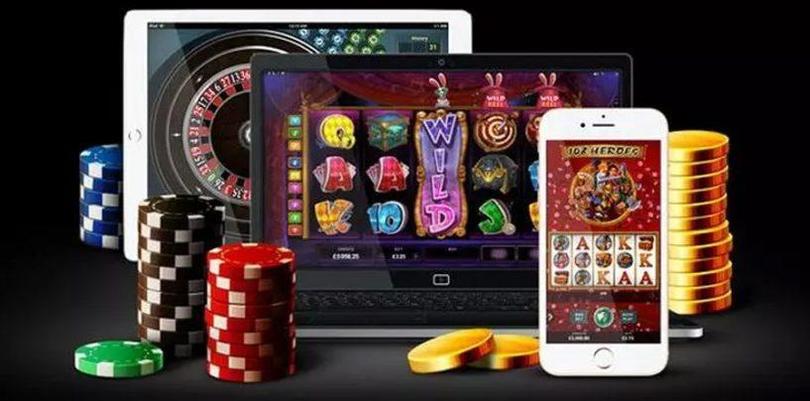
The integration of Blockchain Technology in Casino Game Design https://satbet-india.com/ has drastically changed the way players engage with their favorite games. This revolutionary technology not only enhances the level of security in online gambling but also provides unparalleled transparency, ensuring that players can trust the outcomes of their games. In this article, we will delve into the various ways blockchain is shaping the future of casino games, examine its advantages, and discuss potential challenges that may arise from its implementation.
Understanding Blockchain Technology
Blockchain is a decentralized ledger technology that records transactions across multiple computers in a way that ensures the recorded transactions cannot be altered retroactively. This technology is most commonly associated with cryptocurrencies like Bitcoin, but its applications extend far beyond digital currency. In the realm of casino gaming, blockchain offers features like enhanced security, reduced costs, and improved user experience.
How Blockchain Works in Casino Games
In online casinos, blockchain technology can be used to manage all transactions, from deposits and withdrawals to the outcomes of games. Each transaction is grouped into a block and linked to previous transactions, creating a chain that is immutable. This method ensures the following:
- Transparency: Players can see and verify the outcomes of games, ensuring that outcomes are fair and not manipulated.
- Security: Transactions are encrypted and distributed, making it nearly impossible for hackers to manipulate data.
- Speed: With fewer intermediaries, deposits and withdrawals can be processed faster compared to traditional banking methods.
Advantages of Blockchain in Casino Gaming
Integrating blockchain technology into casino gaming brings several key advantages:
1. Enhanced Security

The decentralized nature of blockchain means that no single entity controls the data, minimizing the risk of fraud. Players can rest easy knowing their funds and personal information are stored securely.
2. Transparency and Trust
Blockchain offers a level of transparency that is unprecedented in the gambling industry. Players can verify the fairness of games with provably fair algorithms, ensuring that casinos cannot alter results. This transparency builds trust between the casino and its players.
3. Lower Transaction Fees
Traditional banking methods involve various fees for processing transactions, which can add up and erode players’ winnings. Blockchain transactions typically come with lower fees, allowing players to keep more of their winnings.
4. Global Accessibility
Blockchain technology is inherently global; thus, players can make transactions across borders without the hassle of currency conversion or high transfer fees. This allows casinos to attract a wider player base.
5. Anonymity and Privacy
Many players value their privacy and do not want to reveal personal information when gambling online. Blockchain allows for anonymous transactions, enabling players to enjoy their gaming experience without sacrificing their privacy.
Types of Casino Games Utilizing Blockchain Technology
Numerous casino games have begun incorporating blockchain technology, enhancing their appeal to modern players:
1. Slot Games
Blockchain-powered slot games enable players to verify the randomness and fairness of the game outcomes. Players can track each spin’s result on the blockchain, ensuring that the game is fair.
2. Table Games

Games like poker and blackjack have also adopted blockchain technology to provide players with verifiable game results. Smart contracts can automatically settle bets according to predetermined rules, ensuring transparency in payouts.
3. Sports Betting
Blockchain can revolutionize sports betting by allowing peer-to-peer transactions and smart contracts that ensure payouts are made automatically based on game results, reducing fraud and speeding up the payout process.
The Role of Smart Contracts
Smart contracts are self-executing contracts with the terms of the agreement directly written into code. In the context of casino gaming, smart contracts facilitate:
- Automatic payouts based on game outcomes.
- Real-time processing of bets and gaming interactions.
- Creation of trustless environments where players don’t need to rely on the casino’s word.
Challenges and Criticisms
Despite its numerous advantages, the integration of blockchain into casino gaming does face some challenges:
1. Regulatory Issues
The gambling industry is heavily regulated, and the incorporation of blockchain technology raises questions about compliance with existing laws. Ensuring that blockchain casinos adhere to gambling regulations in different jurisdictions can be complex.
2. Public Perception
Many potential players may be unfamiliar or uncomfortable with blockchain and cryptocurrencies. Casinos must invest in educational resources to help their players understand this technology and its benefits.
3. Technical Challenges
Implementing blockchain technology requires significant technical expertise and resources. Casinos must ensure they have the right infrastructure in place to handle blockchain transactions.
The Future of Blockchain in Casino Gaming
The potential of blockchain technology in the casino gaming industry is immense. As more players demand transparency and security in their gambling experience, the adoption of blockchain is likely to grow. Future advancements may also allow for more innovative and interactive gaming experiences that leverage decentralized technologies.
Conclusion
In conclusion, blockchain technology is reshaping the landscape of casino gaming by delivering enhanced security, transparency, and player trust. While challenges exist, the advantages offered by blockchain far outweigh them, paving the way for a more secure and efficient gambling environment. As the industry evolves, the embrace of blockchain could very well become a standard rather than an exception, fundamentally altering how players and casinos interact.